Exploring the Role of Headers in Efficient Pipe Fabrication
Understanding Pipe Fabrication and Its Importance
Overview of Pipe Fabrication Processes
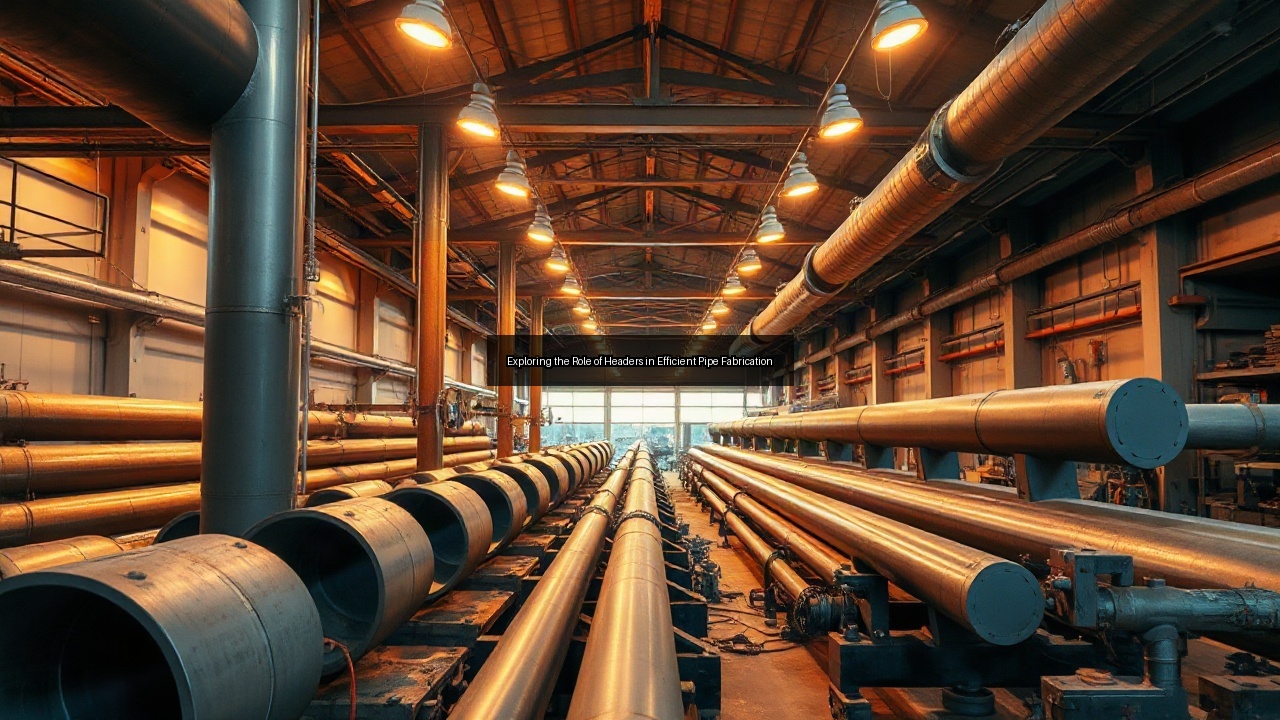
Pipe fabrication transforms raw materials into functional piping systems through precise cutting, bending, and joining steps. Fabricators start with steel pipes or tubes, measure exact lengths, and apply heat or pressure to shape them for specific layouts. Welding pipe fabrication follows to create secure connections that withstand pressure and flow demands. Shops rely on these methods to produce custom assemblies for industrial plants and construction sites. Each process demands accuracy to avoid leaks or weak points in the final piping network. Efficient workflows reduce waste and speed delivery times for clients seeking reliable metal pipe fabrication services.
Advanced equipment guides the entire sequence from initial stock selection to final inspection. Teams measure tolerances tightly because even minor deviations affect how pipes integrate into larger systems. This hands-on approach ensures every fabricated section meets operational standards across sectors like oil, gas, and manufacturing. Pipe fabrication companies refine these techniques constantly to handle complex designs that standard suppliers cannot deliver.
Types of Pipes and Tubes in Fabrication
Steel pipes dominate fabrication projects due to their strength and versatility in high-pressure environments. Fabricators also work with tubes that offer smoother interiors for fluid transport applications. Different diameters and wall thicknesses allow teams to match components to exact system requirements. Carbon steel pipes handle structural loads, while alloy variants resist corrosion in chemical plants. Headers often connect multiple pipes or tubes into manifolds that distribute flow evenly. Selection depends on temperature, pressure, and media type to guarantee long service life.
Stainless options appear in food processing and pharmaceutical lines where purity matters most. Fabricators cut and prepare these materials to precise specifications before assembly. Proper material choice during pipe fabrication prevents failures and lowers maintenance costs over time. Shops maintain inventories of common sizes to accelerate turnaround on urgent orders from clients.
Key Materials Used in Pipe Fabrication
Carbon steel serves as the foundation for most pipe fabrication work because it balances cost and durability. Fabricators weld these sections into headers and piping runs that endure mechanical stress. Alloy steels add resistance against extreme temperatures and corrosive substances. Tubes made from these metals require careful handling during bending to maintain structural integrity. Material certification documents accompany every batch to verify compliance with industry codes.
Stainless grades provide extra protection in marine or sanitary settings. Fabricators inspect surfaces for defects before starting any welding pipe fabrication task. Consistent material quality directly influences the performance of finished headers and overall piping systems. Suppliers deliver stock in various forms so shops can respond quickly to project needs without delays.
The Role of Headers in Pipe Fabrication
What Are Headers and Their Functions?
Headers act as central distribution points that collect or disperse fluids across multiple pipe branches. In pipe fabrication, workers weld these components to create balanced flow paths in complex systems. Headers reduce turbulence and pressure drops by managing inlet and outlet connections efficiently. Fabricators design them to integrate seamlessly with steel pipes and tubes for optimal performance. Their placement determines how effectively the entire piping network operates under load.
Engineers calculate header dimensions based on flow rates and system layout. Proper fabrication ensures headers withstand vibration and thermal expansion without cracking. These elements simplify maintenance access while supporting high-volume transport in industrial settings. Quality headers improve reliability across oil, gas, and power generation facilities.
Different Types of Headers in Pipe Fabrication
Manifold headers combine several pipes into one collection point for streamlined distribution. Fabricators build these using welding pipe fabrication techniques on steel pipes of varying sizes. Branch headers extend connections laterally to feed secondary lines without disrupting main flow. Custom designs accommodate specific angles and diameters required by client drawings. Each type undergoes pressure testing after assembly to confirm leak-free operation.
Some headers incorporate valves or gauges directly during fabrication for added functionality. Shops produce both standard and specialized versions to suit different piping configurations. Material selection matches the surrounding steel pipe to prevent galvanic issues. Versatile header options allow pipe fabrication companies to address unique project challenges effectively.
Impact of Headers on Pipe Quality and Performance
Well-fabricated headers enhance overall pipe quality by ensuring even flow distribution and minimizing stress concentrations. Poor header construction leads to vibration issues or premature wear in connected steel pipes. Fabricators focus on precise weld placement to maintain structural integrity across the assembly. Performance improves when headers reduce turbulence and support consistent pressure levels throughout the system. Clients notice fewer operational interruptions after installing properly made headers.
Headers influence long-term durability because they handle the highest stress points in piping networks. Thorough inspection during pipe fabrication catches defects before installation. Strong headers contribute to safer, more efficient metal pipe fabrication outcomes. Their design directly affects energy consumption and maintenance frequency in active facilities.
Efficient Techniques for Header Fabrication
Advanced Welding Techniques for Headers
Fabricators apply TIG and MIG welding methods to join header sections with minimal distortion. These techniques create strong bonds between steel pipes and tubes while preserving material properties. Precise heat control prevents warping that could compromise header alignment. Welding pipe fabrication crews use automated torches for consistent bead quality on repetitive joints. Proper filler material selection ensures corrosion resistance matches the base metals.
Multi-pass welds reinforce critical header connections that experience high pressure. Shops train welders to follow strict procedures that meet code requirements. Advanced techniques reduce rework and improve throughput in header production. Quality welds extend service life and support reliable performance in demanding piping applications.
Automation in Header Fabrication
Automated cutting and welding systems speed header production while maintaining tight tolerances. Robots handle repetitive tasks on steel pipes, freeing skilled workers for complex assemblies. Pipe fabrication shops integrate CNC machines to bend tubes accurately before header attachment. Automation reduces human error and delivers repeatable results across batches. Software programs optimize cutting patterns to minimize scrap during fabrication.
Real-time monitoring tracks weld parameters and flags deviations instantly. Companies invest in these tools to handle larger volumes without sacrificing quality. Automated processes shorten lead times for clients ordering custom headers and piping. This efficiency strengthens competitiveness among pipe fabrication companies serving industrial markets.
Quality Control Measures for Headers
Inspectors perform dimensional checks and non-destructive testing on every completed header. Ultrasonic and radiographic methods reveal internal weld flaws in steel pipe assemblies. Pressure tests verify that headers meet design specifications before shipment. Documentation tracks each fabrication step for traceability and compliance. Strict controls catch issues early and prevent costly field failures.
Shops calibrate equipment regularly to sustain measurement accuracy. Teams review material certificates alongside finished headers to confirm specifications. Consistent quality control builds trust with clients who rely on pipe fabrication services for critical infrastructure. These measures directly support safe and efficient piping system operation over decades.
Choosing the Right Pipe Fabrication Company
Factors to Consider When Selecting a Fabrication Service
Experience with similar projects ranks high when evaluating pipe fabrication companies. Clients review past work involving headers, steel pipes, and complex welding pipe fabrication tasks. Capability to handle custom designs and material grades determines fit for specific needs. Turnaround time and shop capacity influence project scheduling decisions. Certifications and safety records provide assurance of professional standards.
Communication responsiveness and engineering support help resolve issues quickly during fabrication. Location affects logistics costs for transporting finished piping assemblies. Strong track records in quality and delivery build confidence in long-term partnerships. Thorough evaluation prevents mismatches that delay industrial installations.
Top Pipe Fabrication Companies and Their Services
Leading pipe fabrication companies offer end-to-end services from design assistance to on-site installation support. They specialize in metal pipe fabrication for headers, steel pipes, and tube assemblies across multiple industries. Many maintain in-house welding and testing capabilities to control quality at every stage. Some focus on high-volume production while others excel at intricate custom work. Service portfolios often include material sourcing and project management.
Established shops invest in modern equipment to meet evolving client demands. Reputation stems from consistent delivery of durable piping systems that perform reliably. Clients compare capabilities in automation and sustainability practices when selecting partners. Top providers differentiate through technical expertise and responsive customer service.
Cost Considerations in Pipe Fabrication
Material prices for steel pipes and tubes fluctuate with market conditions and affect overall project budgets. Fabrication complexity, including header design and welding requirements, drives labor costs higher. Volume discounts apply when ordering multiple identical piping assemblies from the same shop. Transportation and testing add to the final price for completed work. Transparent quoting helps clients anticipate total expenses accurately.
Investing in quality fabrication reduces long-term maintenance and replacement costs. Pipe fabrication companies provide detailed breakdowns to support informed decisions. Efficient processes and automation help control prices without compromising standards. Clients balance upfront investment against operational reliability when planning projects.
Future Trends in Pipe and Header Fabrication
Emerging Technologies in Pipe Fabrication
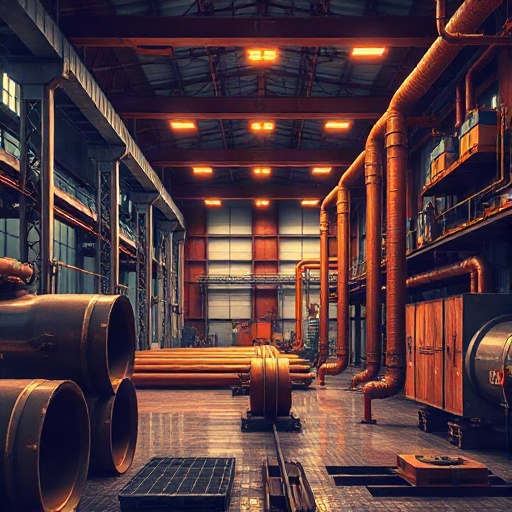
3D printing and laser scanning accelerate prototype development for custom headers and pipe layouts. Digital twins allow fabricators to simulate system performance before cutting any steel pipe. Robotic systems handle increasingly complex welding pipe fabrication tasks with greater precision. Data analytics optimize production schedules and material usage across shops. These tools reduce lead times while improving accuracy in metal pipe fabrication.
Augmented reality assists welders with real-time guidance during header assembly. Integration of sensors into finished piping enables predictive maintenance for clients. Technology adoption keeps pipe fabrication companies competitive in global markets. Continuous innovation shapes how future projects meet tighter specifications and deadlines.
Sustainability Practices in Metal Pipe Fabrication
Fabricators recycle scrap steel pipes and tubes to lower raw material consumption. Energy-efficient equipment reduces the carbon footprint of welding and cutting operations. Water recycling systems minimize waste during pressure testing of headers. Sustainable sourcing of alloys supports environmental goals without sacrificing performance. Shops track emissions to meet regulatory requirements and client expectations.
Lean manufacturing principles cut unnecessary steps and material waste in pipe fabrication. Certifications for green practices attract projects with strict sustainability mandates. These efforts lower operational costs while protecting resources. Responsible fabrication strengthens industry reputation and supports long-term viability.
The Impact of Global Demand on Fabrication Prices
Rising infrastructure projects worldwide increase demand for steel pipes, headers, and piping assemblies. Supply chain disruptions push material prices higher and extend lead times for pipe fabrication services. Fabricators adjust capacity to meet surges in orders from energy and construction sectors. Currency fluctuations and trade policies influence final costs for imported components. Strong global demand rewards efficient shops that maintain competitive pricing.
Companies monitor market trends to forecast price changes and advise clients accordingly. Strategic inventory management helps stabilize costs during volatile periods. Increased demand drives investment in automation to boost output without proportional price hikes. Market awareness supports informed planning for both fabricators and buyers of piping systems.
See Also
- Future Trends in Pipe Fabrication You Need to Know
- Inside the World of Pipe Fabrication Companies and Their Innovations
- Essential Factors to Consider When Choosing Pipe Fabrication Services
- How Pipe Fabrication Shops are Adapting to Industry Changes
- Mastering Pipe Fabrication Techniques for the Modern Engineer